
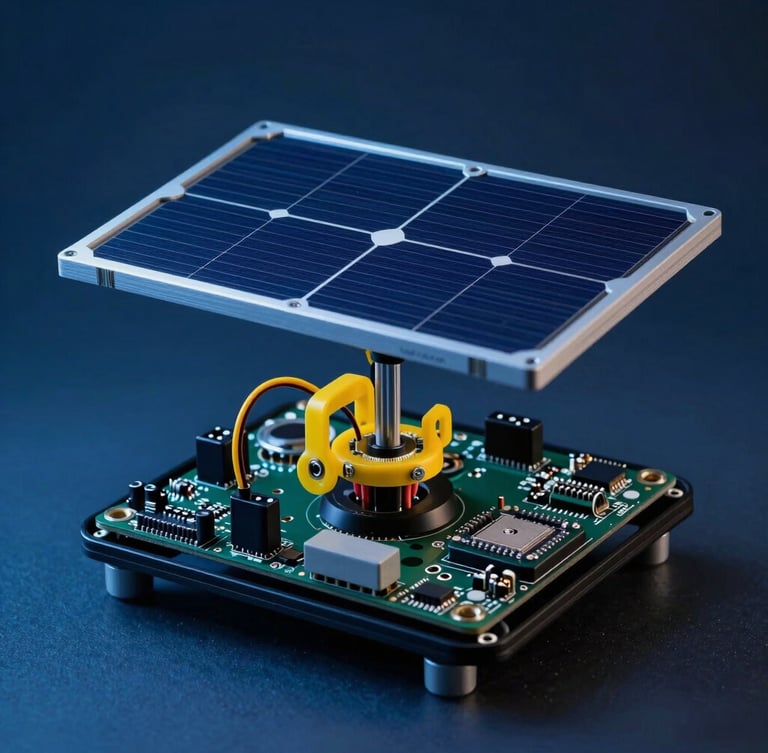
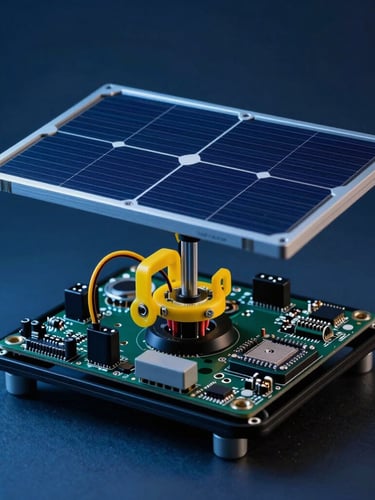
Smart Solar Tracking
An automated dual-axis tracking prototype engineered with closed-loop micro-controller logic to continuously poll light levels and maximize solar panel yield optimization.
Eight Core Components
Built using standardized off-the-shelf components integrated seamlessly via custom Arduino code to ensure reliable low-draw actuation and structural durability.
Solar Panel
LDR Sensors
Arduino Board
Servo Motor
High-efficiency photovoltaic cell capturing maximum solar irradiance.
Dual light-dependent resistors continuously polling ambient light levels.
Micro-controller executing real-time closed-loop tracking algorithms.
Low-draw precision actuator adjusting horizontal and vertical angles.
Battery Unit
Motor Driver
Frame Structure
Wiring Bus
Rechargeable power storage maintaining steady system voltage.
H-bridge controller managing current flow to the actuators.
Weather-resistant chassis supporting the entire tracking assembly.
Shielded connections ensuring low-loss signal transmission.
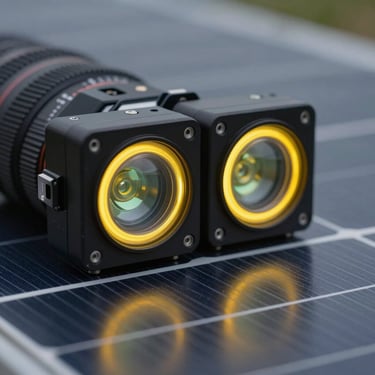
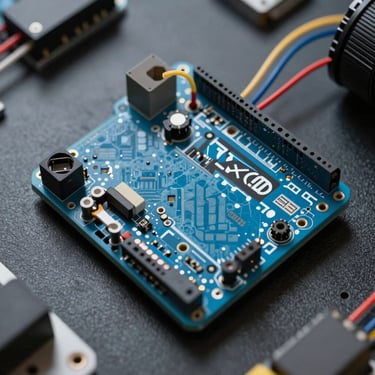
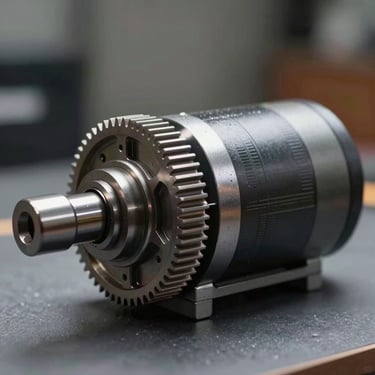

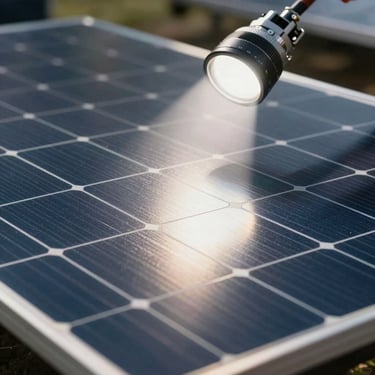

Technical Gallery
Visual inspection of the physical chassis, sensor alignment, and micro-controller wiring during active testing phases.
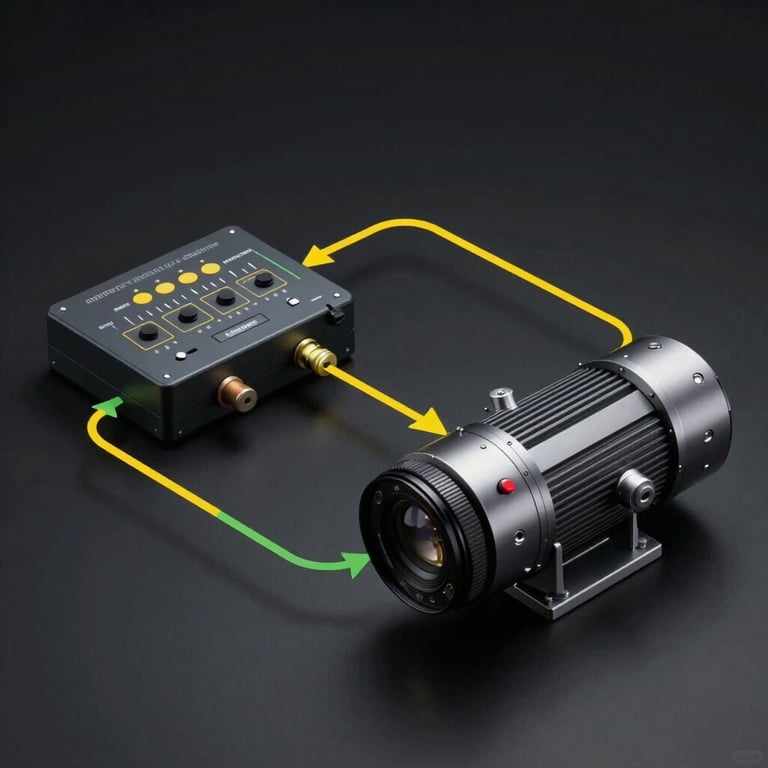
Operational Workflow
Five-Step Tracking Cycle
1. Sensors continuously monitor light intensity on both axes. 2. Arduino micro-controller processes differential voltage data. 3. Driver signals the motor to adjust panel orientation. 4. Actuators align the panel directly facing the sun. 5. Yield is optimized with minimal power draw.
This continuous closed-loop polling system ensures up to forty percent higher energy output compared to standard fixed-angle solar panel installations.